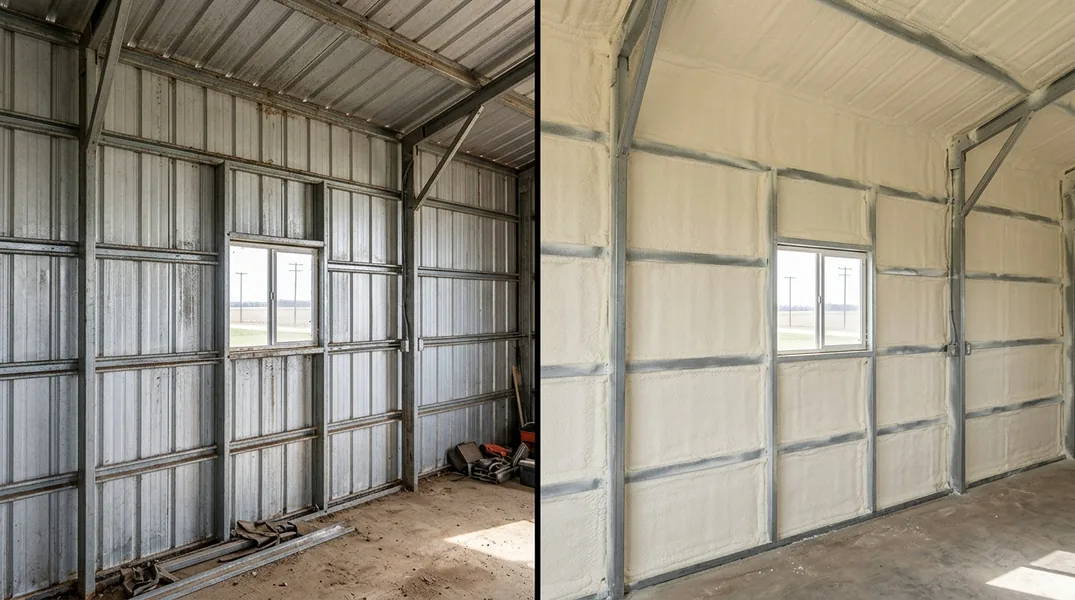
The Challenge of Aging Attics in Mid-Century Ranch Homes
Mid-century ranch homes dot the landscape of Savoy and surrounding areas, and many of them share a common problem: outdated, deteriorating attic insulation. Built between the 1940s and 1970s, these charming homes were often insulated with materials that simply don't perform well by today's standards. Fiberglass batts, loose-fill cellulose, and mineral wool have all settled, compressed, and lost their thermal resistance over the decades. If you own one of these classic properties, you've likely noticed rising energy bills, uneven temperatures throughout your home, or drafts that seem to come from nowhere.
The reality is that flat, aged insulation in your attic isn't just an inconvenience. It's costing you money every month and making your home less comfortable. The good news is that modern insulation technology offers solutions that your home's original builders never had access to. When you're ready to upgrade, you'll face a critical decision: which insulation material is right for your Champaign-area home? This guide will help you understand your options and why many homeowners are choosing spray foam over traditional alternatives.
Spray Foam vs Blown-In Insulation: A Direct Comparison
Attic Spray Foam Insulation and blown-in insulation are both popular choices for attic upgrades, but they work in fundamentally different ways. Blown-in insulation, typically made from cellulose or fiberglass, is pneumatically sprayed into your attic space where it settles and compacts over time. This is the same basic approach used decades ago, just with updated equipment. Spray foam, by contrast, is applied as a liquid that expands and hardens in place, creating a continuous thermal and air barrier across your entire attic.
The key difference lies in performance and longevity. Blown-in insulation will settle and compress by 10 to 20 percent within the first year, meaning your R-value drops significantly. It also doesn't seal air leaks, so warm air escapes through gaps and cracks in your attic. Spray foam expands to fill every cavity, crack, and corner, eliminating air infiltration at the source. This makes spray foam far more effective at maintaining consistent home temperatures and reducing energy waste. For homeowners dealing with the aftermath of decades of insulation deterioration, spray foam provides a more permanent solution.
Spray Foam vs Fiberglass: Why Modern Homes Are Making the Switch
Fiberglass batts were the industry standard for decades, and you'll still find them in many attics across Champaign. The appeal was simple: they were cheap and easy to install. However, fiberglass has significant drawbacks that become obvious once you understand how attic insulation actually works. Fiberglass batts are only effective if they're in perfect contact with your attic floor, which rarely happens. Air gaps around electrical wiring, pipes, and rafters create thermal bridges that allow heat to escape. Additionally, fiberglass provides no air sealing whatsoever, so moisture and outdoor air can move freely through your attic space.
Spray foam solves these problems entirely. Whether you choose Closed Cell Spray Foam Insulation or Open Cell Spray Foam Insulation, you get a continuous barrier that conforms to every surface and seals every gap. Closed cell foam is denser and provides superior moisture resistance, making it ideal for attics in humid climates or homes with moisture concerns. Open cell foam is slightly less dense but still provides excellent insulation and air sealing at a lower cost. Both options far outperform fiberglass in terms of thermal efficiency, air leakage prevention, and long-term durability.
Spray Foam vs Cellulose: Understanding the Best Insulation for Your Attic
Cellulose insulation is often marketed as an eco-friendly alternative, and while it does use recycled materials, it shares many of the same performance limitations as other blown-in options. Like fiberglass, cellulose settles over time, losing R-value and effectiveness. It also requires chemical fire retardants to meet building codes, and it can absorb moisture, leading to mold growth and structural damage in humid attics. Additionally, cellulose is more expensive than fiberglass but typically underperforms compared to spray foam solutions.
When you're evaluating the best insulation for attic upgrades, it's important to think beyond the initial material cost. Spray foam may have a higher upfront price, but it delivers superior insulation value, lasts decades without settling or degrading, and reduces energy costs year after year. For homeowners in Savoy and the surrounding region dealing with aging ranch home attics, spray foam represents the most effective long-term investment in home comfort and energy efficiency.
Attic Spray Foam Insulation Near Me: When to Call a Professional
If you're noticing signs of inadequate attic insulation, it's time to consider a professional assessment. Common indicators include high heating and cooling bills, ice dams in winter, hot spots in your attic during summer, or visible signs of old, compressed insulation. Many homeowners attempt DIY insulation projects, but attic work is challenging and potentially dangerous. You need proper safety equipment, ventilation knowledge, and expertise in applying spray foam correctly to ensure it performs as intended.
Professional spray foam installation ensures that your attic is properly prepared, that vapor barriers are correctly installed, and that foam is applied at the right thickness to achieve your target R-value. This is especially important in older ranch homes where attic conditions vary significantly from one area to another. Champaign Spray Foam Insulation specializes in these types of upgrades and understands the specific challenges that mid-century homes present. If you're ready to upgrade your attic, reach out for a free estimate or call (447) 895-0419 to discuss your project with our team.
Attic Spray Foam Insulation Cost in Champaign: What to Budget
Cost is understandably a major factor when planning an attic insulation upgrade. Spray foam typically costs more per square foot than blown-in alternatives, but the total cost depends on your attic size, the type of foam you choose, and any additional work like air sealing or ventilation improvements. Closed cell foam is more expensive than open cell, but it provides better moisture protection and higher R-value per inch. For a typical mid-century ranch attic in the Champaign area, you can expect a range of costs depending on your specific situation.
Rather than guessing at pricing, the best approach is to get a detailed quote from a local professional who understands your home's unique needs. Champaign Spray Foam Insulation provides transparent pricing and will walk you through the options available for your budget. Many homeowners find that the energy savings over just a few years offset the initial investment, especially in older homes where heating and cooling losses are significant. Contact us today at (447) 895-0419 or visit our website to learn more about costs for your specific attic project.
Looking for a professional spray foam insulation contractor in Champaign? Champaign Spray Foam Insulation responds fast for all your spray foam insulation needs.
Get a Free Quote